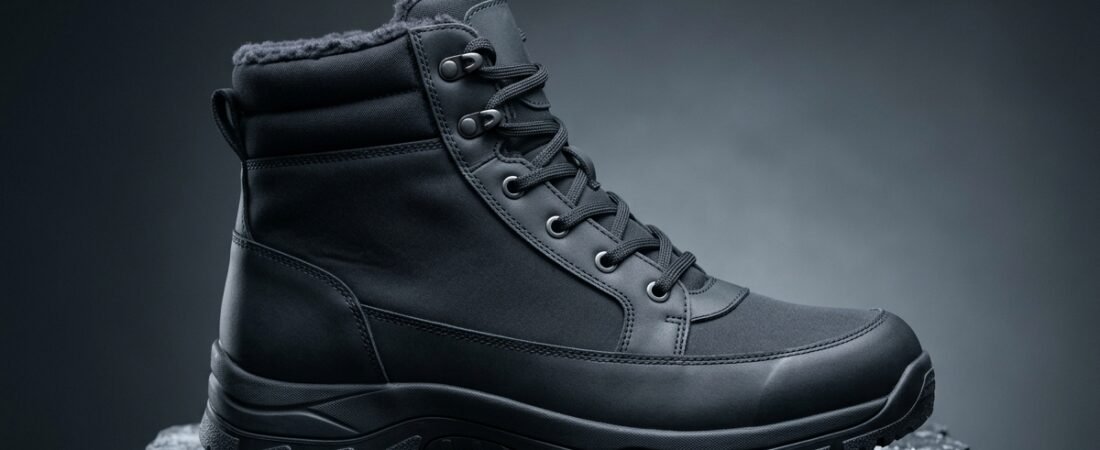
Clinical Podiatry & Cold-Weather Biomechanics
Winter is the leading season for plantar fasciitis flare-ups, Achilles tendonitis, and ankle sprains. Switching from supportive athletic shoes to flat, unyielding snow boots with zero arch support subjects feet to harsh repetitive impact on frozen sidewalks. Here is what podiatrists look for in a true orthopedic winter boot.
When the temperature plunges and sidewalks ice over, your feet face two distinct challenges: thermal regulation and biomechanical stability. Most commercial winter boots prioritize heavy insulation at the expense of arch structure, resulting in foot fatigue, heel spurs, and knee strain after short walks.
What Makes a Winter Boot Orthopedically Sound?
According to podiatric research, an orthopedic winter boot must satisfy four biomechanical benchmarks:
- Rigid Torsional Shank: Prevents midfoot twisting on uneven icy ruts or frozen snowbanks, stabilizing the subtalar joint.
- Deep Calcaneal Heel Cup: Centers the fat pad directly beneath the heel bone, buffering up to 50% of vertical shock on frozen concrete.
- Anatomical Medial Arch Contouring: Relieves constant tension along the plantar fascia ligament, preventing morning heel pain.
- Low-Temperature Vulcanized Siping: Standard rubber hardens into slippery plastic in sub-zero weather; true winter outsoles remain supple to grip ice micro-grooves.
Comparison: Standard Snow Boots vs. Orthopedic Winter Boots
| Feature | Standard Snow Boots | SoleRoot Orthopedic Winter Boots |
|---|---|---|
| Arch Support | Flat, hollow foam liner (0% arch contouring) | Biomechanical rigid TPU arch cradle |
| Ice Traction | Basic shallow lugs that freeze hard | Thermo-pliable siped rubber + multi-directional lugs |
| Toe Box Width | Often tapered, constricting bunions & toes | Wide anatomical toe box allowing natural splay with wool socks |
| Weight Per Shoe | 24 – 32 oz (causes heavy leg fatigue) | 14 – 18 oz (ultra-light bio-cushion platform) |
The Top Orthopedic Winter Boots of 2026
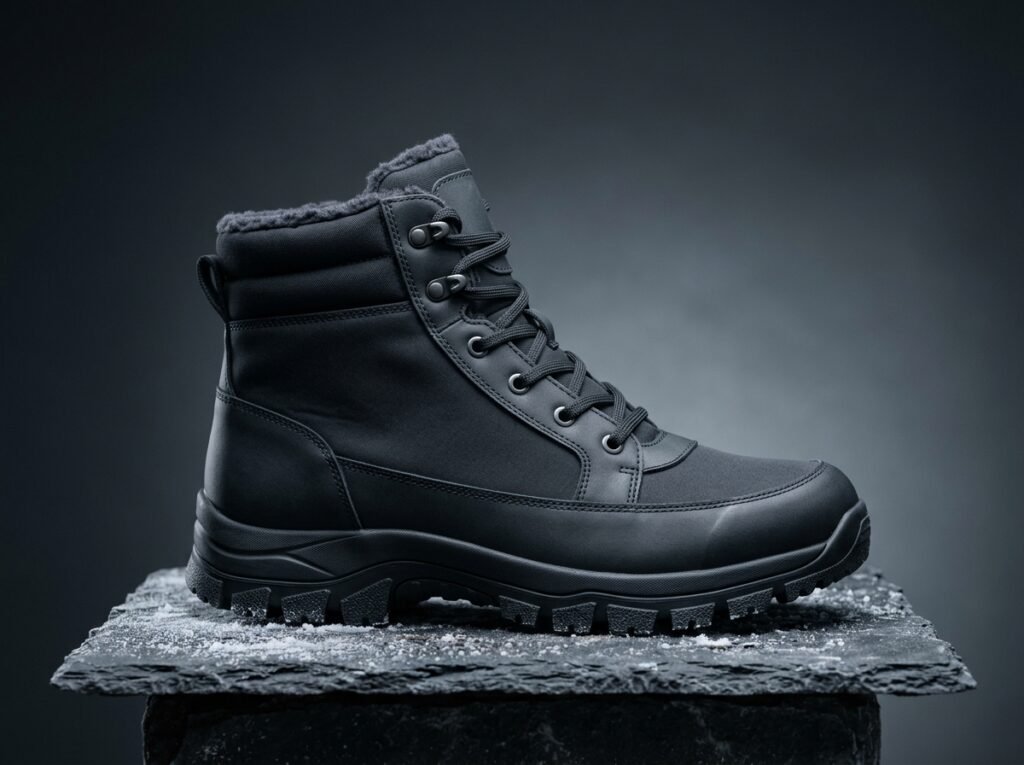
Best Men’s Sub-Zero Boot
SoleRoot Men’s ArcticShield Waterproof Thermal Winter Boot
HydroShield™ seam-sealed waterproof construction, 200g micro-thermal fleece lining rated to -15°F, deep ice-traction lugged rubber, and podiatrist-certified arch stabilization.
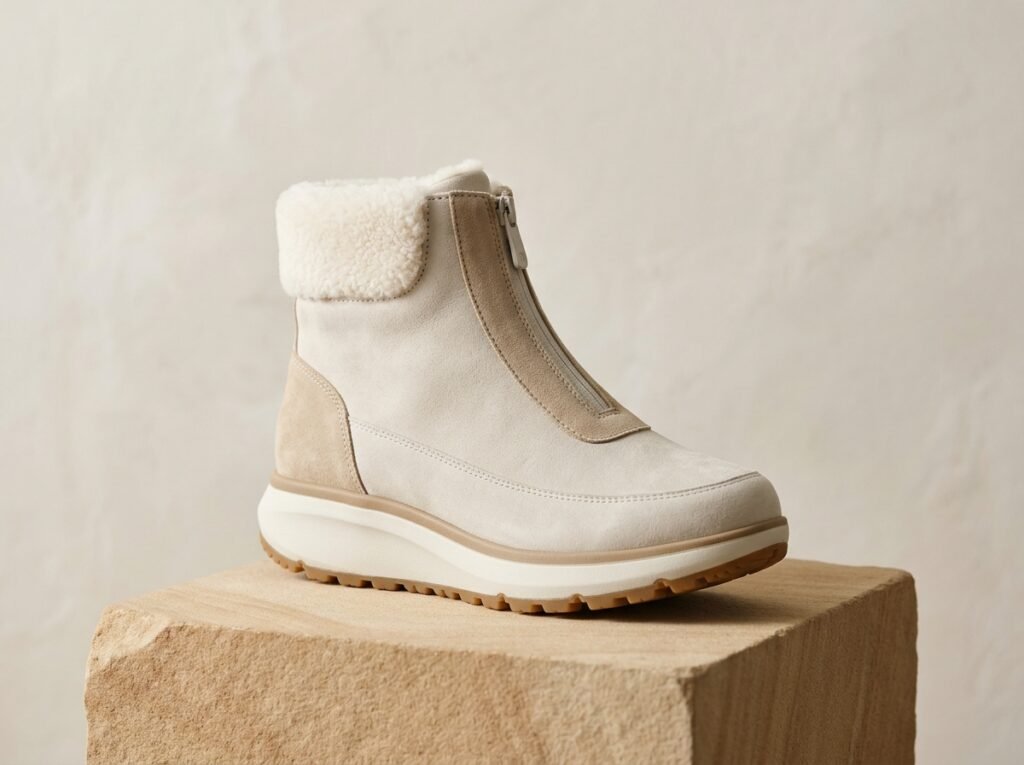
Best Women’s Cozy Walker
SoleRoot Women’s PolarGrip Shearling-Lined Winter Walker
High-pile plush faux-shearling lining rated to -10°F, easy-entry front zip, roomy bunion-relief toe box, water-resistant brushed nubuck, and gentle rocker gait assistance.
Winter Foot Health Tips from Podiatrists
- Avoid Double-Sock Compression: Stuffing thick socks into a tight boot constricts capillary blood flow, making feet feel colder. Opt for a boot with a wider toe box and a single pair of thermal merino wool socks.
- Dry Boots Thoroughly: Remove footbeds at night to let internal moisture evaporate, keeping thermal insulation performing at maximum loft.
- Stretch Before Cold Morning Walks: Cold temperatures cause the Achilles tendon and plantar fascia to contract. Spend 60 seconds performing gentle wall calf stretches before heading out.
Explore the Complete SoleRoot Winter Footwear Collection
All SoleRoot winter footwear includes free shipping, a 30-day wear-test guarantee, and earns 10x VIP Loyalty Points on every purchase.