
- Vegan shoes are made without any animal products, making them a great choice for those concerned about animal welfare.
- Sustainable footwear focuses on reducing environmental impact through eco-friendly materials and production methods.
- Many leading brands now offer cruelty-free sneakers and boots that are stylish and comfortable.
Introduction to Vegan Shoes and Sustainable Footwear
Vegan shoes are becoming increasingly popular as consumers seek to make ethical choices that align with their values. These shoes are free from any animal-derived materials such as leather, suede, and wool. Instead, they use alternative materials like synthetic fabrics, recycled plastics, and plant-based materials. This shift not only supports animal welfare but also promotes sustainability, as many vegan shoe materials are more environmentally friendly than traditional leather.
Sustainable footwear goes beyond being vegan by focusing on the entire lifecycle of the product, from sourcing materials to manufacturing and disposal. Brands that produce sustainable footwear strive to reduce their carbon footprint, use renewable energy sources, and implement ethical labor practices. This holistic approach ensures that the environmental and social impacts are minimized throughout the supply chain.
The Benefits of Choosing Vegan Shoes
Animal Welfare
One of the primary reasons people choose vegan shoes is to support animal welfare. By opting for shoes made without animal products, you are reducing the demand for animal-derived materials and thereby supporting a more compassionate approach to fashion.
Environmental Impact
Vegan shoes often have a lower environmental impact compared to traditional leather shoes. The production of leather involves significant water usage, chemical treatments, and greenhouse gas emissions. In contrast, many vegan shoe materials are made from recycled or plant-based resources, which are more sustainable and environmentally friendly.
Health and Safety
Vegan shoes can also be a healthier choice for individuals with allergies to animal products. Additionally, the manufacturing process of vegan materials typically involves fewer harmful chemicals, which can be better for both the wearer and the factory workers producing the shoes.
How to Tell Whether a Shoe Is Actually Vegan
We are not going to hand you a list of “vegan picks”, because we cannot verify it. Vegan footwear depends on the upper, the lining, the sole and the glue, and a supplier listing that says “PU leather” tells you about the upper and nothing else. Naming shoes as cruelty-free without that information would be a guess dressed up as a recommendation.
What we can do is tell you what to check:
- The upper. Canvas, cotton, mesh, flyknit and PU are all animal-free. “Genuine leather”, suede and nubuck are not.
- The lining and insole. These are the most commonly missed part — a canvas shoe can still be lined with leather or wool.
- The glue. Some adhesives are animal-derived. Only a brand that certifies its shoes can tell you this, so if it matters to you, look for an explicit certification rather than a materials list.
- The certification. PETA-Approved Vegan and the Vegan Society trademark are the two marks that actually mean something.
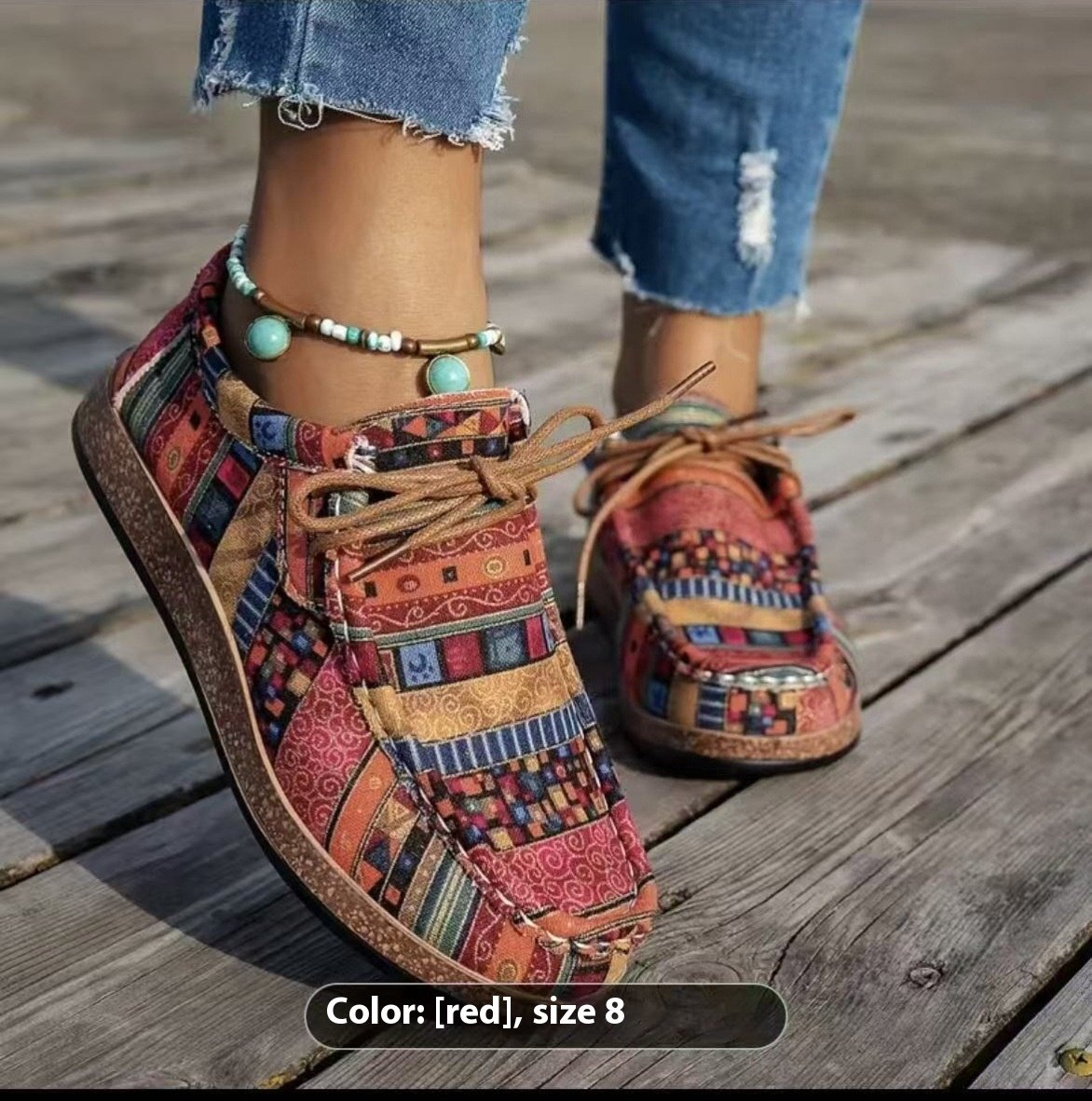
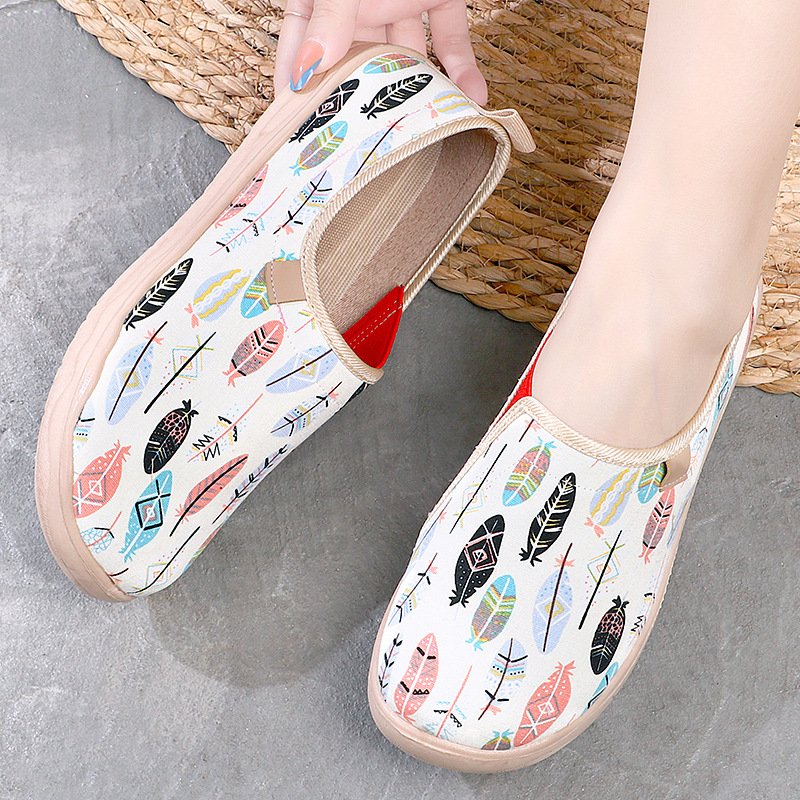
If you want to browse what we carry and check the materials yourself, our canvas shoes are the natural place to start, since a canvas upper rules out the most common animal material straight away. Read the full materials list on each product page before you buy.
Maintaining and Caring for Vegan Shoes
Cleaning
To keep your vegan shoes looking their best, regular cleaning is essential. Depending on the material, you can use a soft brush, a damp cloth, or a specialized cleaner to remove dirt and stains. For microfiber or polyurethane materials, use a mild soap and water solution, and avoid harsh chemicals that could damage the surface.
Storage
Proper storage is crucial to extend the life of your vegan shoes. Store them in a cool, dry place away from direct sunlight to prevent fading and cracking. Using shoe trees or stuffers can help maintain the shape of the shoes and absorb any moisture.
Repairs
If your vegan shoes start to show signs of wear, consider repairing them instead of replacing them. Many shoe repair shops can fix minor issues like scuffs or loose soles, extending the lifespan of your footwear and reducing waste.
Conclusion
Choosing vegan shoes and sustainable footwear is a great way to support both animal welfare and the environment. Check the upper, the lining and any certification before you buy, and you can make a positive impact without compromising on style or comfort.
Shop this guide
By making informed choices about the products you purchase, you can contribute to a more sustainable and ethical fashion industry. Explore our collection of vegan shoes and sustainable footwear today and make a difference.